
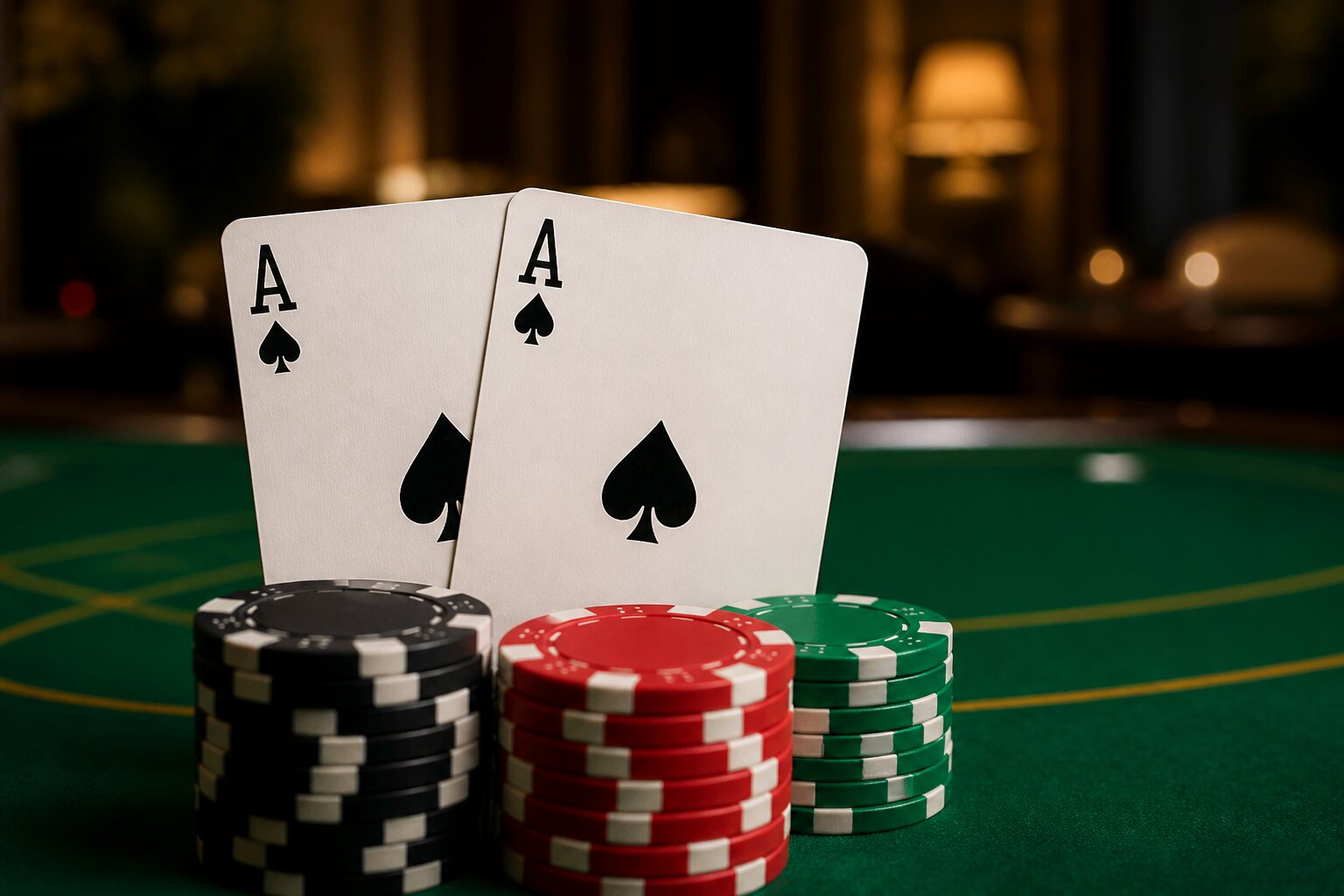
Fancy giving your blackjack game a fresh twist? Perfect Pairs blackjack could be just the thing you’re looking for. This variation adds an optional side bet to the classic table game, giving you another way to win with only your first two cards.
Want to know how the side bet works, which combinations pay best, and what to expect at the table? Read on for clear explanations, practical examples and everything you need to feel ready to play.
What Is Perfect Pairs Blackjack?
Perfect Pairs blackjack keeps the main game of blackjack exactly the same, but gives players the option to place a separate side bet on their first two cards being a pair. This wager is independent of the main hand: whether the side bet wins or loses does not affect your regular blackjack outcome.
The side bet is confined to those opening two cards and offers a set of tiered payouts depending on how closely the cards match. It’s a simple addition to the game that adds a different kind of excitement without changing hit, stand, split or double-down decisions. Next, we’ll look at the practical steps of placing the side bet and how the results are settled.
How Do Perfect Pairs Side Bets Work?
You place the Perfect Pairs side bet at the same time as your main wager, using the marked area on the table. Once all bets are in, the dealer deals the initial two cards to each player and to themselves. The side bet is evaluated immediately: a matching pair of the right type pays out according to the paytable, while a non-pair loses and the main hand proceeds as usual.
Because the side bet depends only on the two opening cards, no further decisions can change its outcome after the deal. That makes it straightforward to understand, and it is settled before the remainder of the round plays out. With that settled, it helps to know the different pair categories, which determine how generous the payouts can be.
Types of Perfect Pairs & Card Combinations
Pairs are grouped into three categories, each reflecting how closely the two cards match in value, colour and suit.
A mixed pair consists of two cards of the same rank but different colours and suits — for example, a 5 of clubs and a 5 of hearts. A coloured pair matches in rank and colour but not suit, such as a 7 of hearts and a 7 of diamonds. The perfect pair is the closest match: same rank, same colour and same suit, which is possible where multiple decks are used and yields the highest payout.
These distinctions are important because they directly determine the payout level shown on the paytable. With the categories clear, the next section explains typical payouts and how they reflect the relative frequency of each pair.
Perfect Pairs Blackjack Payouts Explained
Payouts depend on which category of pair you receive. While exact figures vary by game version, a common payout structure looks like this:
| Type of Pair | Typical Payout |
|---|---|
| Perfect Pair | 25 to 1 |
| Coloured Pair | 12 to 1 |
| Mixed Pair | 6 to 1 |
The perfect pair pays most because it is the least frequent outcome when using multiple decks; mixed pairs occur much more often and therefore pay less. All payouts apply only to the side bet and are settled immediately after the first two cards are evaluated. Make a habit of checking the paytable at the specific table you join so you know the exact rates in play, and then we’ll cover how those winnings are handed out in practice.
How Are Perfect Pairs Bets Paid Out?
When a hand yields a winning pair, the side bet is paid separately from the main blackjack wager. In a physical casino, the dealer settles the side bet at the table before continuing with the rest of the round; online, the game software credits any winnings to your account balance instantly.
Only hands that meet the criteria for mixed, coloured or perfect pairs receive a payout; non-qualifying hands simply result in the side bet being lost and the main game moving on. It’s worth noting that outcomes arise from the random dealing and the number of decks used, so decisions in the main hand do not alter the side-bet result. With payouts and settlement clear, it helps to compare how this side bet differs from standard blackjack play.
Comparing Perfect Pairs With Standard Blackjack
The core gameplay—aiming to form a hand closer to 21 than the dealer without busting—remains unchanged. The side bet’s presence is the primary distinction: it provides a separate, immediate chance to win based solely on the opening two cards, while regular blackjack rewards strategic choices during the hand.
Standard blackjack offers areas where player decisions and strategy can reduce the house advantage. The Perfect Pairs side bet, by contrast, is resolved from the opening cards alone and does not involve subsequent decisions. As a result it typically carries a higher house edge than the main game, which is why many players treat it as an occasional addition rather than a core part of their approach. Next, we look at the table rules and typical variations you might encounter.
Common Rules in Perfect Pairs Blackjack
Most Perfect Pairs games follow the same general rules as traditional blackjack, with common variations existing only in deck count, whether the dealer hits or stands on soft 17, and specific split or double-down allowances. Multiple decks—often six or eight—are frequently used, which affects both pair frequencies and certain strategic considerations for the main game.
Side bet limits, payout ratios and minimum/maximum stakes vary by table or operator, so reviewing the house rules before you sit down is sensible. The side bet must be placed before cards are dealt, and it is always judged on the first two cards only. With those practical points understood, it’s useful to address several persistent myths that can mislead players about what the side bet can and cannot do.
Myth: The Perfect Pairs Side Bet Can Be Predicted
A common myth says the side bet can be anticipated through card counting or pattern-spotting. Because cards are shuffled and dealt randomly, and many games use automatic shuffling or continuous shuffling machines, there is no reliable method to predict whether an opening pair will appear.
Myth: The Side Bet Reduces the House Edge
Some players assume the side bet improves overall odds. In truth, the side bet normally carries a higher house edge than the main blackjack wager, meaning it is generally less favourable to the player over time.
Myth: Bigger Bets Lead to Bigger Wins
Placing larger stakes on the side bet does not change the underlying probability of a pair appearing. Wager size affects only the scale of any payout, not the likelihood of receiving one. Keeping bet sizes sensible helps preserve your overall bankroll.
Myth: You’re “Due” a Pair After Losing Streaks
Believing a pair is more likely after a run of non-pair hands misunderstands how card dealing works. Each deal is independent of previous results; the composition of the remaining deck matters, but prior rounds do not make a specific outcome more likely in isolation. Understanding the statistical nature of dealing helps set realistic expectations and supports more informed decisions at the table.
Perfect Pairs is an appealing side option for players who enjoy an extra, immediate bet on the first two cards, but it is best approached with clear expectations about payouts and probabilities. If that sounds like something you want to try, place the side bet sparingly and treat it as an occasional part of the experience rather than the focus of your play.
**The information provided in this blog is intended for educational purposes and should not be construed as betting advice or a guarantee of success. Always gamble responsibly.