
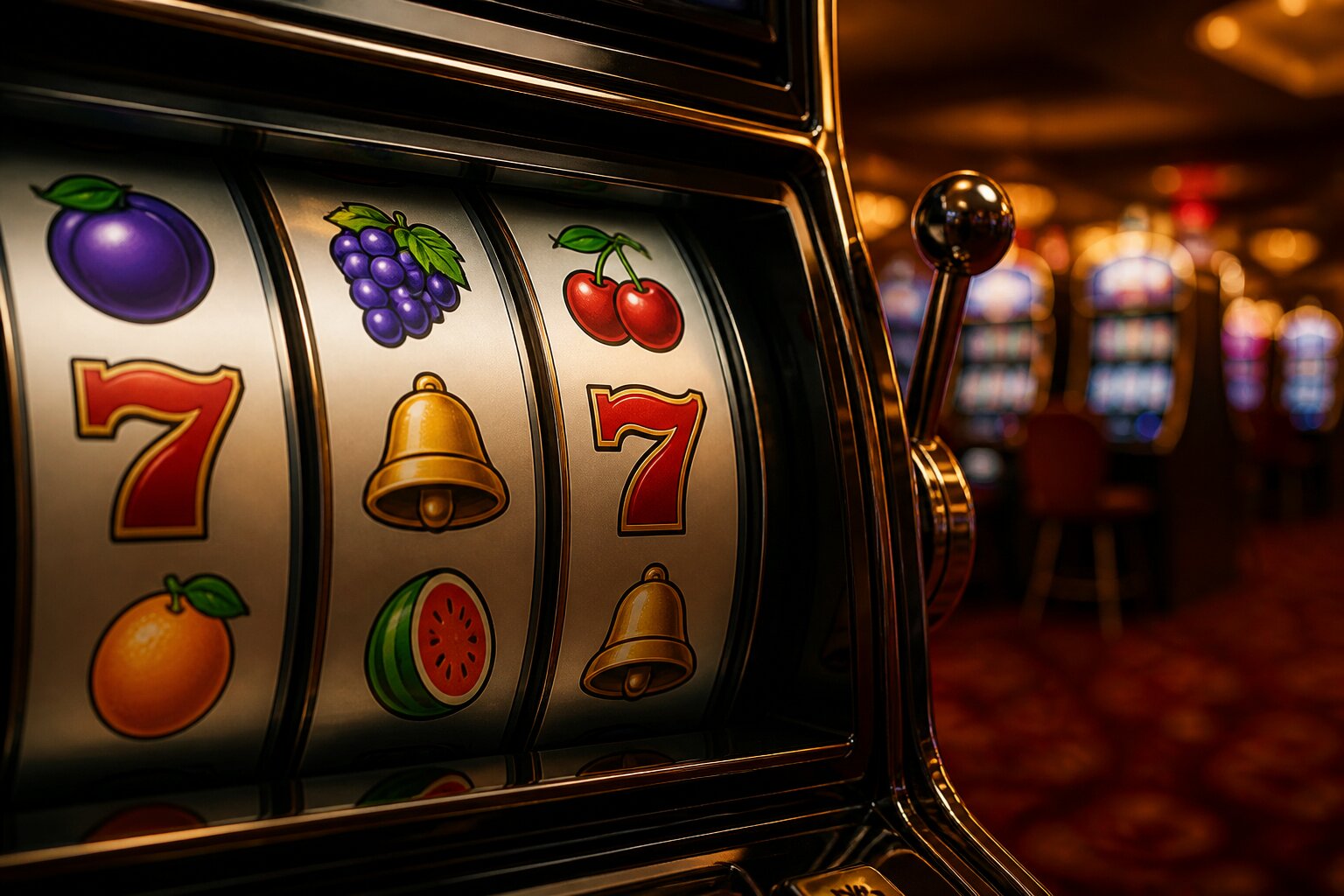
Ever looked at a spinning slot machine and wondered just how many different symbols are passing by? The variety of icons is part of what draws people in, but there’s more happening beneath the surface than just bright pictures.
This article explains how different slot types influence the number and role of symbols, and why that matters for the game’s design and your experience. Read on to discover what’s behind the reels.
What Are the Different Types of Slot Machines?
Let’s start by looking at the main categories you’ll encounter, whether online or in a casino. They all work on the same basic mechanism, but their design choices change how many symbols you see and what those symbols do.
Classic slots are inspired by the original fruit machines. They typically have three reels and a small set of symbols such as cherries, bars and sevens. Gameplay is straightforward, with few paylines and little in the way of extras.
Video slots usually have five reels and a larger, themed set of symbols. These games include wilds, scatters and bonus icons, and often feature animations and story elements that give each symbol a specific role within the game.
Progressive slots can be either classic or video style but link a portion of each bet to a growing jackpot. Their symbol sets might include a jackpot icon or trigger combination, which is part of what makes these games distinct from fixed-jackpot titles.
Each type presents symbols in a way that supports its mechanics and theme, so recognising the category gives you a sense of what to expect from the reel layout.
Classic Slot Reels: Simple Designs Explained
Classic slots are built around clarity and nostalgia. With three reels and a limited number of paylines, the reels are populated by a small, repeating set of symbols. That compact symbol pool makes it easy to see how the combinations form and what each symbol pays out.
Because there are fewer symbols, classic slots tend to feel more predictable in appearance, even though outcomes are determined by the game’s internal system. The straightforward layout is why many players find them approachable: everything you need to understand the game is visible on the main screen.
These machines rarely use special symbols like multipliers or scatter-triggered bonuses; instead, the emphasis is on matching the basic icons across the payline.
Video Slots: More Reels, More Symbols
Video slots expand the palette of symbols dramatically. With more reel positions and the freedom of digital design, developers add a wide range of regular and special symbols to support themes and features. You’ll typically spot character symbols of varying value, plus dedicated symbols for wilds, scatters and bonus triggers.
Having more symbols does not change how outcomes are determined. The greater variety primarily affects the game’s presentation and the kinds of bonus mechanics available—such as free-spin rounds triggered by scatter symbols or cascading reels where symbols disappear to allow new ones to fall into place.
Many video slots also assign different frequencies to symbols through weighting—some appear more often than others—so the visual richness connects directly to how the game balances payouts and features.
How Do Digital Reels Differ From Mechanical Ones?
Mechanical slots use physical reels with a set number of stops where symbols sit. Digital or video slots, however, present symbols on-screen while the game’s random number generator (RNG) selects results. Because the digital reel is a representation, a single on-screen symbol can correspond to multiple virtual stops behind the scenes, allowing more control over symbol frequency.
This virtual arrangement is what enables varied symbol counts, multiple bonus icons and complex payline structures. It also makes it possible to create novel features that aren’t possible with physical reels, while still ensuring each spin is determined fairly by the RNG.
Do All Slot Machines Have the Same Number of Symbols?
No. The number of symbols varies widely between games. Mechanical three-reel machines are constrained by physical reel space and therefore use a limited set of repeated icons. Digital video slots have no such restriction and can include dozens of distinct symbols plus special icons for features.
Behind the scenes, developers decide on the number and weighting of symbols to shape volatility and player experience. A game with many low-value symbols and a few high-value ones will play differently from a game that offers more middle-value symbols and frequent bonus opportunities. Those design decisions are what give each slot its particular rhythm and appeal.
Why Does the Number of Symbols Matter?
The symbol count influences several aspects of a slot’s gameplay. First, it affects how many possible combinations exist on the reels, which in turn helps determine how often certain winning combinations may occur and how the developer structures payouts. Second, the variety of symbols supports thematic storytelling and feature design; special symbols are the usual vehicle for triggering bonuses and altering wins.
For example, a themed video slot might include several character symbols that pay varying amounts, plus distinct scatter and wild icons that activate free spins or substitute for other symbols. In a classic three-reel machine, you’ll find a much smaller set focused on simple payouts. These choices shape the player experience, from how often features appear to the visual and audio cues that accompany wins.
Common Myths About Slot Reel Symbols
There are a few persistent misunderstandings around slot symbols. One is that a larger number of symbols somehow improves the chances of a win. In reality, more symbols simply create more combinations and allow for richer features; they do not change the mechanism that determines outcomes.
Another myth is that you can predict or time when certain symbols will appear. Slots use RNGs and are routinely tested by independent laboratories to ensure fairness. That means observing past spins provides no reliable information about future results.
Understanding these points helps set realistic expectations about how symbols function: they define the game’s mechanics and presentation, not an exploitable pattern.
How to Recognise Slot Types by Reel Symbols
Recognising which type of slot you’re looking at is often a matter of spotting the symbol set and reel layout. Classic slots display a limited and familiar set of icons—cherries, bars and sevens—with a smaller reel grid. Video slots show a broader collection of themed symbols, often with clearly labelled wilds and scatters and a larger reel matrix. Progressive titles will include a jackpot indicator or a symbol connected to the linked prize.
If you want a quick read on a game, look for special symbols first: wilds, scatters and bonus icons are hallmarks of modern video slots. Where those are absent and the design is minimal, you’re probably dealing with a classic-style machine.
By recognising these visual cues you can better understand a game’s likely features and pacing.
Play with awareness and within your means; treating slots as entertainment helps keep the experience positive.
Final note: the symbols you see are primarily a design choice that defines a slot’s look and features—knowing how they’re used makes the games easier to enjoy.
**The information provided in this blog is intended for educational purposes and should not be construed as betting advice or a guarantee of success. Always gamble responsibly.